





Regional Pest Report

Current Pest Threat

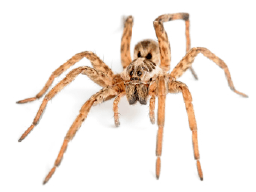
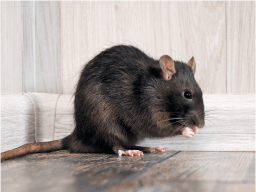
Act Now - Temperatures may be dropping, but that doesn’t mean that your pest worries are over. In fact, it is very common for many types of pests (including squirrels, mice, rats and spiders) to seek warm shelter for the winter, making your home the perfect refuge. For this reason, pest prevention is important year-round.
Get more info on local pests

Tick Control and Removal

If you have pets or live near a wooded area, it is feasible that you will eventually have a tick control issue. Ticks are more than just annoying blood-sucking pests. They are the second largest carrier of diseases, just one spot behind mosquitoes. Despite being arachnids, there are many insect repellents and pesticides that are adequate extermination tools for tick removal. These products, along with some do-it-yourself pest removal methods, will give you the tick control you need to keep your pets and family safe.

If you believe you have a tick control problem in your yard, it helps to understand where the infestation came from. Living near an open field or being flanked by woods will make it more likely that you will encounter a tick control problem. Here are some tips to keeping your family and yard tick-free:

  1. Mow your grass regularly and keep it short. Most ticks live in tall lawns and will hang onto the tips of long blades of grass patiently waiting for their next meal to brush by.
  2. Dig a barrier between your property and the open field or wooded area. Creating a 3-foot wide by 3-inch deep trench filled with small stones will provide a tick control solution that will last you several years.
  3. Keep children and pets out areas known to house ticks. If this is not possible, then use safe insect repellents as an added measure of tick control. Be sure to check everyone for ticks before coming back home.
  4. Finally, look into a generic pest removal product that is designed to exterminate ticks. Read the instructions carefully for proper application and safe usage. If leery about doing this yourself, simply contact a pest control service for this portion of your tick control process.

Pest removal problems like rats, squirrels, deer and other animals that play host to ticks could be the reason for your tick control situation. Deer ticks are a particularly rampant problem in certain areas of the U.S. and a major transmitter of Lyme disease. In fact, deer ticks are such a common problem for U.S. homeowners that it is worth reading our tick removal advice.

  1. Deer ticks like cool areas and are rarely found in hot, open spaces. Removing leaf piles and keeping shrubs and trees well-trimmed will limit the places for these ticks to call home.
  2. Tick-tubes are a common tick removal method, especially when deer ticks are the main target. These are biodegradable tubes that can be purchased, or you can try do-it-yourself pest removal and make your own tubes out of paper towel rolls. Inside the tubes are cotton balls soaked in the chemical permethrin. The cotton balls are used by animals to build nests, and the ticks eventually attach themselves to the animals and ingest the chemical.
  3. Along with permethrin, the chemical carbaryl is used to exterminate deer ticks as well as other ticks. Correctly timing the application of this chemical is critical to your tick control success. Late May into early June is the best date range for a carbaryl-containing tick removal product.

Individual Tick Removal

While you are waiting for your tick control efforts to take hold, it is possible that someone in your family will bring home one of these pests. Understanding proper tick removal is an important first-aid topic that every adult should know.

  1. Use fine-tipped tweezers and firmly, but gently, grasp the tick as close to the skin as possible. Your goal is to get at the tick’s head.
  2. Gently pull the tick straight out, with slow but constant pressure. Be careful not to twist or jerk it, as this can leave the tick’s mouth in your skin.
  3. Be careful not to squeeze, crush or puncture the tick’s body, as doing so may cause it to release infected fluids into the wound. Thoroughly disinfect the tick-bite wound, the tweezers, and the hands of the person removing it.
  4. Drop the tick into a small amount of rubbing alcohol and throw the dead carcass away or take it to you doctor to have it tested for disease.

DO NOT use a hot match, petroleum jelly, soap, nail polish, etc. to smother the tick. This can cause it to release its fluids into the wound and transmit any disease it may be carrying.

One Response to “Tick Control and Removal”

  1. JP McHale Pest Management Says:

    Your tips on tick removal are great. This article is necessary for people that live in wooded areas or spend a lot of time outdoors.

Leave your Comment

What do you think? Tell us your experience or tips for pest control.

Get Rid of Pests - Before They Destroy Your Home!

Save $30 on Pest Control Service Today!

Request your Free Evaluation

Fill out the form below and we will contact you shortly to arrange a complete analysis of your home

( ) -