





Braving the Fear of Spiders
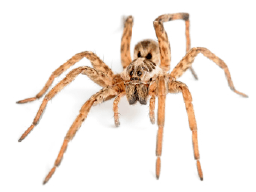
Nothing has quite the universal fear and disgust factor as spiders. Men, women, children and even many animals jump at the sight of these eight-legged pests. This is often a result of a spider’s reputation as a predator. However, for the most part, spiders are only a predator to insects, not humans. In other words, if humans stay out of the way of spiders, they will have nothing to fear. And with effective spider control methods, homeowners can even prevent spiders from creeping into their home.
Benefits and Threats
One reason for homeowners to apply good spider control and prevention methods is the actual risk of a spider bite. A spider bite to a human is typically a defensive reaction to unintentional contact. However, a spider bite can cause a significant reaction in a human and can result in the need for medical attention. Some spiders also have venom that can be deadly to humans, such as the black widow spider, but these spiders are actually rare and only inhabit certain climates. Regardless, it is generally impossible to go back to sleep once you spot one on the wall.
There is a benefit to spiders that a homeowner may quickly realize once he or she has worked so hard to get rid of them. Spiders eat and capture bugs that would have otherwise been crawling around the interior of a home. Of course, a home should ideally be insect- and spider-free, so finding the access points for spiders is the first step in effective extermination. However, finding these entry points can be tricky, especially if homeowners are only spotting spiders and have no idea where the web(s) might be located.
Inside Spider Prevention
The best way to prevent spiders is to prevent their habitats from forming. If a homeowner wants to tackle his or her spider problem, he or she can start by checking out and cleaning areas that spiders thrive in, like dark spaces, messy places, small openings and areas where food is near. Spider control methods that can help reduce the opportunity for spiders to invade a home include:
- Apply a food-safe insecticide around the baseboards of your home and in areas where spiders and webs have been spotted.
- Clear out any old webs. Even with a spider mashed on the bottom of your shoe, a new one will be happy to take over the abandoned web.
- Clean with lemon- or orange-scented products. The citrus odor is a natural deterrent for spiders.
- Stay on top of laundry. Dirty clothes are a great hideout for spiders. Getting shoveled up from a pile of clothes laying on the floor is also a prime way for a spider to make a defensive strike on its territory.
While a web is often evidence of a spider nearby, it isn’t always the first thing a homeowner spots due to the spider’s ability to carefully hide. And the alternative can be true as well, where spider webs continue to appear but the web spinner is nowhere to be seen. Thoroughly cleaning an area that has come into contact with spiders will help reduce their ability to reside in and around areas a homeowner would prefer they didn’t.
Outside Spider Control
Spider control outdoors is a tricky issue. The ability of a spider to capture other pests makes it a great benefit to your outdoor space. However, if a spider gets too close, then each time a homeowner inches near his or her front door, he or she is entangled in web lines and reminded that a spider is within the vicinity. Insecticides designed specifically for spiders can help to relieve the situation. Homeowners can also apply mosquito, moth or other bug repellents, which will reduce the food supply for a spider and deter them.
Many homeowners are further aggravated by spider problems when it seems as if the problem occurs every few months or annually in the spring or summer. This is largely because some spider species will lay as many as 100 or more eggs in a sac that sort of resembles a cocoon of web silk. Removing these spider sacs is critical to keeping a spider population out of a homeowner’s path.