





Regional Pest Report

Current Pest Threat

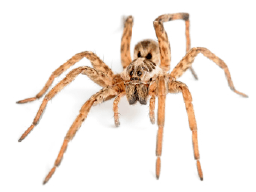
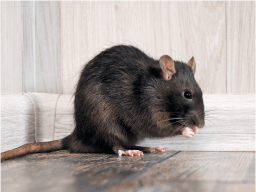
Act Now - Temperatures may be dropping, but that doesn’t mean that your pest worries are over. In fact, it is very common for many types of pests (including squirrels, mice, rats and spiders) to seek warm shelter for the winter, making your home the perfect refuge. For this reason, pest prevention is important year-round.
Get more info on local pests

How to Get Rid of Japanese Beetles

Meet the Pest

Learning how to get rid of Japanese beetles can help save your lawn, garden and foliage. Japanese beetles and their grubs are voracious eaters that cause the U.S. hundreds of millions of dollars in agricultural damage every year. The Japanese may have given us sushi, but remember, they gave us Godzilla and these outdoor pests, too!

If you want to decipher how to get rid of Japanese beetles, you will have to focus on both the adults and the larvae stages (called white grubs). Each stage of the Japanese beetle’s life cycle will need to be treated differently if you wish to achieve effective extermination.

Bed & Breakfast

White Grubs: Japanese beetle larvae live underground in moist soil. They chomp away at your vegetable garden and eat grass roots until large patches of your lawn have been killed off. When learning how to kill Japanese beetles, be certain to reduce watering the lawn and garden to a bare minimum. Grubs and Japanese beetle eggs cannot survive in hot, dry conditions.

Adult Beetles: Adult beetles are less picky eaters and enjoy many varieties of trees, flowers, bushes and fruits like pears, berries, tomatoes, etc. Once they are done feeding, your foliage will look like a delicate slice of Swiss cheese and your plants will be in a serious state of jeopardy. If you plan on trying do-it-yourself pest control, begin with something simple like keeping your grass longer, about two and a half inches tall. Japanese beetles do not like the longer grass blades, so this is a simple way to deter them from hanging around your yard.

Quit Bugging Me!

White Grubs: If you want to know how to kill Japanese beetles, you will have to go after the grubs. There are several ways to go about the grub extermination; what you choose to do will depend on the time of year and any previous Japanese beetle infestations you may have had.

Curative grub control-
If you are trying to learn how to kill Japanese beetles in early spring or in the fall when new eggs hatch, then you will need a curative pesticide. If attempting do-it-yourself pest control, look for products labeled curative that contain the insecticides Sevin (a.k.a. carbaryl) or Dylox (a.k.a. trichlorfon).

Preventative grub control-
If Japanese beetles have infested your property in the past, then using a preventative insecticide may be your preferred method of extermination. When strolling the home and garden aisles trying to decide how to get rid of Japanese beetles, just look for products containing Merit (imidacloprid) and Mach-2 (halofenozide).

Biological grub control-
Both milky spores and nematodes are effective, all-natural ways to get rid of Japanese beetle grubs. Milky spore is a bacteria that only affects grubs and is harmless to all other bugs, animals and plants in your yard. Beneficial nematodes are a widely used do-it-yourself pest control product that is an effective extermination tool against many pests. Nematodes, specifically the heterohabditis bacteriophora, seek out the grubs in your yard and destroy them.

Adult Japanese Beetles:

Soapy Water-
If you want to learn how to get rid of Japanese beetles using organic do-it-yourself pest control, then a little soapy water and some elbow grease could do the trick. A strong blast of soapy water can blow the beetles off of foliage and even kill them. If you want to be certain that the beetles are dead, pick them up and place them in a bowl of soap and water.

Insecticidal Soaps-
Using insecticidal soaps is a great way to kill off Japanese beetles and deter them from returning. Spray the soap on any plants that are infested and the beetles will soon fall off. Any new beetles that try to feed there will find the foliage very distasteful.

Pesticides-
Of course, using a pesticide on your vegetable garden would not be a wise choice when trying to get rid of Japanese beetles. Still, there are plenty of different products on the market that you can use. Some pesticides are too strong for delicate plants, so if you are trying do-it-yourself pest control, be certain to ask a professional in the lawn and garden department for help.

Good Riddance

If you have managed to do away with a Japanese beetle infestation, then you may want to invest some time and money into prevention techniques. There is no point in going through the trouble of learning how to get rid of Japanese beetles just to have them come back with a vengeance.

Birds-
There are several species of birds that would be all too happy to take those Japanese beetles and their grubs off of your property. Robins, cardinals, blue jays, and starlings are just a few of the birds you can attract to your yard for Japanese beetle extermination.

Plants-
For a fun do-it-yourself pest control project, try gardening. The following is a list of plants that Japanese beetles are known to avoid:

  • Begonias
  • Bleeding heart
  • Carnations
  • Columbine daisies
  • Flowering dogwood
  • Forsythia
  • Junipers
  • Lilacs
  • Lilies
  • Nasturtium
  • Snapdragons

Beetle nets-
It may not be the most attractive way to learn how to get rid of Japanese beetles, but netting works. Netting that fits over your garden and shrubs can keep the pests away during the height of Japanese beetle season. Once the beetles make contact with the nets, they will likely decide to move on to an easier-to-reach food source. And when Japanese beetles don’t feed, they don’t release any grubs so no new beetles will be coming your way.

Leave your Comment

What do you think? Tell us your experience or tips for pest control.

Get Rid of Pests - Before They Destroy Your Home!

Save $30 on Pest Control Service Today!

Request your Free Evaluation

Fill out the form below and we will contact you shortly to arrange a complete analysis of your home

( ) -