





Search for service near you
Call Today!

Save $50 on Pest Control

or 10% on Termite Control*

Call today for professional pest control!

How to Get Rid of Crickets - What You Should Know

Meet the Pest

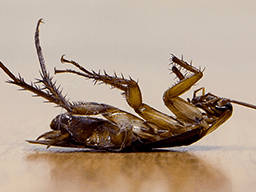
The chirp of a cricket is supposed to be endearing and a memorable sound of summer evenings. But all too often, a cricket is a hideous, hidden annoyance. Knowing how to get rid of crickets can be a game of hide-and-seek for homeowners. The tease of hearing the chirp over and over again but not being able to find or capture a cricket has made for a frustrating situation for homeowners. Crickets are part of the grasshopper family. The chirping noise is generated only by the males rubbing their hind legs together for any of four reasons: attracting a mate, courting a mate, actually mating and in defense against another nearby male. The pace and volume of the chirp will vary depending on elements such as the type of chirp. Courting a female cricket is a soft chirp, while fending off a male is the loud one that will send a crazed homeowner digging for ear muffs in the middle of a summer night. Temperature also impacts the chirp, with colder temperatures bringing slower chirps.

Bed & Breakfast

Crickets are attracted by light but enjoy dark spaces. Gutters are a favorite location for crickets, which can be especially hazardous when they are adjacent to a bedroom window. Crickets also like the junk laying around the interior of a home that makes for great hiding places. The dampness of basements and garages encourages cricket nests and entry as well. Outdoors, crickets like warm, damp areas like piles of untended vegetation, beneath rocks and in wood piles. If crickets make their way into your house, they can find many other areas as food sources that most homeowners wouldn’t expect. Crickets will nibble on natural fiber products such as silks, wool sweaters and paper. They will also make a snack out of fruits or vegetables left out on countertops.

Quit Bugging Me!

If a cricket has made it to the interior of your home, locating it can be a frustrating act of a fast bug and an annoying sound that can’t be stopped. For immediate cricket issues, some of the following techniques can help exterminate crickets and stop the chirping before a homeowner loses his or her mind:
  • Attempt a cricket capture mission early in the morning. Crickets are less active during this time. They are also easier to catch after cold weather.
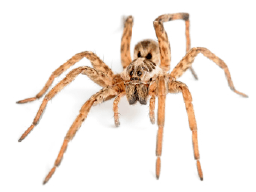
  • Stop dusting and let the spiders in. Spiders prey upon crickets and can steer them away from the interior of your home. Frogs also prey on crickets, but they potentially bring another level of noise that would be even less appealing than a cricket mating chirp.
  • Set a trap of molasses. Fill a jar or other container half full of molasses. The strong scent will attract the cricket, which will jump into to the trap and drown.
Exterminating crickets begins with closing off the access areas. Closing holes in screens and sealing areas around a home’s foundation, windows and doors will help to reduce the entry points for crickets. If a homeowner is continually encountering an indoor cricket issue, using pesticides outdoors around the foundation of the home can help to relieve the problem.

Good Riddance

Homeowners are sometimes relieved by the cold winter air, believing that their cricket problem has taken a rest - at least for the winter. But as spring warms up, suddenly the problem seems hideously worse. This is because mating season occurs in the summer, where the initial ear piercing songs of males starts, followed by the laying of eggs in the fall that will hatch in the spring. Who would have guessed that a single cricket can generate around 2,000 offspring! The end of winter brings the end to peace of mind. Getting rid of crickets long-term will require a focus on eliminating the habitats that can breed them. In early spring, homeowners can get a jump on cricket control by exposing the soil of garden areas. Cricket eggs are then visible to predators and will reduce the population serenading a homeowner each night. This approach can be one of the best ways to kill crickets. If the lull of a cricket's chirp doesn’t soothe a homeowner's mind and put him or her to sleep, then the hunt begins to locate the source of the crickets and put an end to the seemingly constant noise. By using the right cricket pest control techniques and learning how to get rid of crickets, homeowners won't have to lose another wink of sleep.

Related Articles