



How to Prevent Birds You Don’t Want to Watch
Pest removal is never fun, but bird control can be particularly difficult. There are certainly types of birds that people enjoy watching; there are even many birds that are beautiful. But there is nothing enjoyable or beautiful about the disease birds and their droppings carry, the mess that a nest can cause or the damage unwanted birds can do to the property of a homeowner. Knowing the right methods and techniques for preventing bird access is the best way to keep from becoming a bird exterminator.
Bird control and prevention methods for homeowners opting to do it themselves can be effective in deterring birds from showing up where they're uninvited. Killing birds is nearly impossible or even illegal in some areas, making prevention the best option for homeowners. Knowing
how to prevent birds from accessing areas where they aren’t welcome, as well as preventing side effects such as disease and property damage, are important aspects for homeowners.
Prevention is the Best Method
Bird problems can be as minor as a single unexpected nest or as extensive as several generations of a pigeon family that has taken over an attic. Birds can find places to roost indoors that are dangerous for themselves as well as homeowners, so it is important to know how to keep them out of places they shouldn’t be. Some of the ways to keep a bird outside include:
- Cover areas that could be potential access points. This can mean a screened cover for chimneys, or fitted screen covers for roof and attic vents.
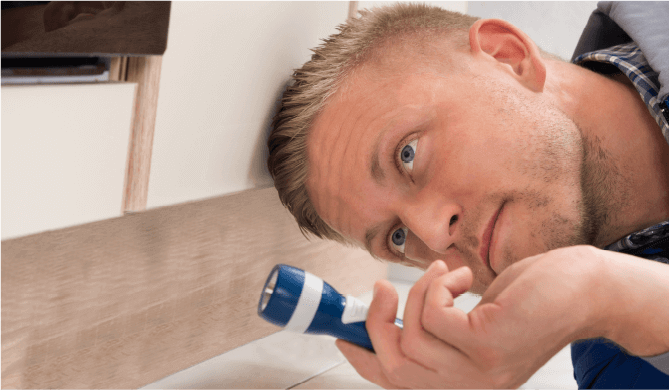
- Inspect areas around a home that might be a haven for bird nests. Eaves are a favorite for many birds.
- Keep doors and window screens in good repair. A small hole can easily turn into a bigger hole and the access point for an unwelcomed avian visitor.
- Clothes dryer vents and the areas around them are favorite nesting zones for birds. Ensuring that these areas are not accessible to the inside of your home and that they remain clear of nests by regularly inspecting them is important for sanitation purposes.
The extermination of bugs is one thing, but
killing birds is an entirely different issue. Birds nesting around humans may at first seem like a sweet and special event. However, the amount of potential damage a bird can do to humans -- the exposure to disease and property damage -- makes it important to keep birds out of areas they shouldn’t be.
Protecting a Home from Bird Danger
The damage a bird can do to a home involves much more than the mess they can cause with their nests and endless droppings. It is important to realize the potential side effects that come with bird control, prevention and even extermination.
- Extensively disinfect areas that have been exposed to a bird or its nest. Birds carry an extensive amount of diseases that can be harmful to humans and pets.
- Inspect chimneys for bird evidence prior to the first use of the season. This can help prevent chimney fires and unexpected resulting damage.
- For trees and wood that have been extensively damaged by a woodpecker, removal may be necessary depending on the areas of damage. Nothing would be worse than a tree crashing through your home thanks to the hard work of a tiny woodpecker.
- Birds that have taken up residence in an attic will find a way back into the attic. Ensure all holes and potential access areas are plugged. After the birds have been removed, regularly inspect an attic for newcomers. It is also important to thoroughly clean any items that may have been exposed to the birds.
- Geese are just plain old ducks to children, but they are wild animals and can act aggressively. For a goose problem, it may be necessary to contact wildlife professionals for removal.
Birds may sound sweet and happy, but homeowners generally aren’t when areas of their home are covered with bird droppings and damage has resulted from the infestation. For the health of humans and for the sake of birds, safely preventing birds from entering where they don’t belong will benefit both the homeowner and the bird in the long run.